

The Mid-Year Pivot: Smart Ways to Cut Everyday Costs and Keep Your Budget on Track
If your budget felt manageable at the start of the year, it may not feel that way now. Gas prices have climbed. Grocery bills are higher. And for many households, wages have not kept pace. The good news is that mid-year is a natural checkpoint: a moment to look honestly at where your money is going and make adjustments before the second half of the year gets away from you.
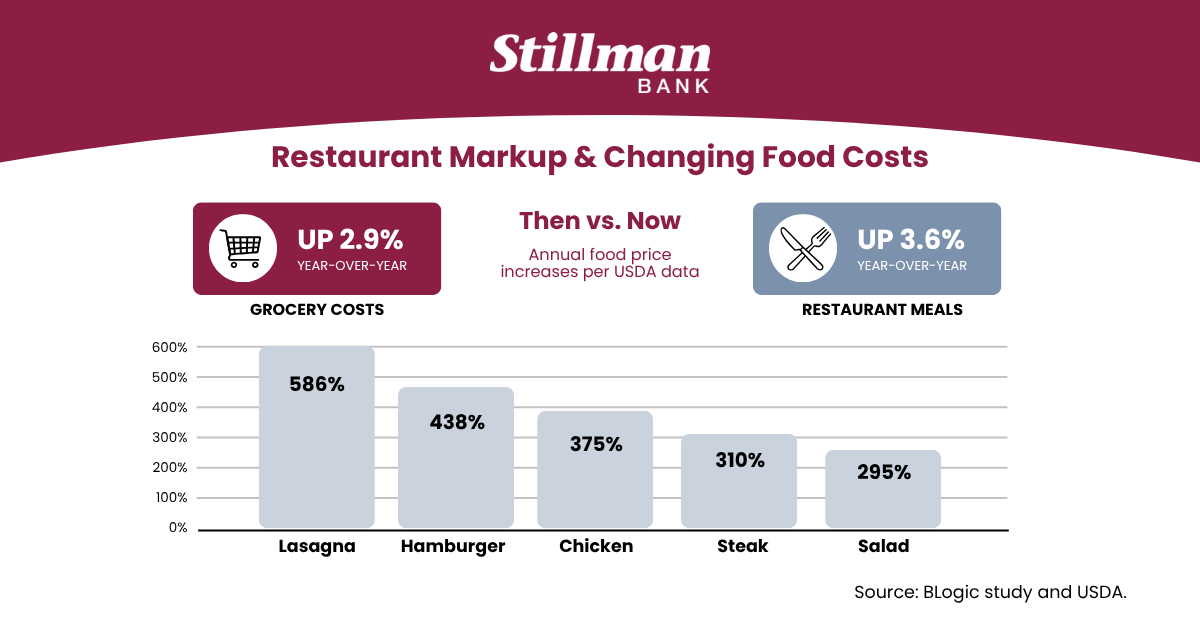
According to the USDA Economic Research Service, food prices in April 2026 were 3.2% higher than a year earlier, with grocery prices up 2.9% and restaurant meals up 3.6%. Whether you are trying to stretch a tight paycheck or simply do better with what you have, the strategies below can help you find real savings.
Food Costs: Your Biggest Opportunity
Food is one of the largest and most controllable household expenses. A March 2026 report covered by Forbes found that restaurant lasagna carries a markup of nearly 600% over the cost of making it at home, and the average restaurant hamburger runs about five times what the same meal costs to prepare yourself. Limiting restaurant dining and food delivery is one of the most direct ways to reduce what you spend on food.
Plan Before You Shop
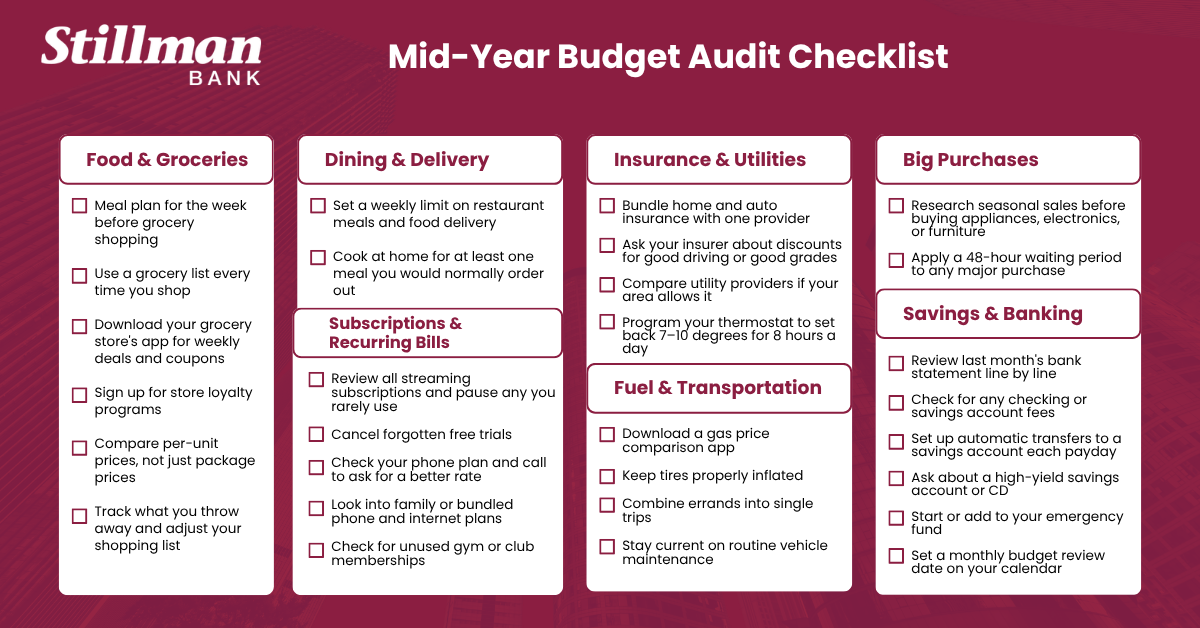
Before you leave for the grocery store, take inventory of what you already have, decide what meals you want to make, and build your list around that. A clear list reduces impulse purchases and keeps your cart aligned with your budget.
Check what is on sale before you go. Most grocery stores publish their weekly deals online or through a store app. Coupon apps, store loyalty programs, and Sunday newspaper inserts can add up to meaningful savings over time. Following your favorite brands on social media is another way to catch sales and digital coupons before they expire.
Buy Smart, Waste Less
Compare per-unit prices rather than package prices, especially for staples like paper goods, laundry detergent, and dried pasta. Buying larger quantities of items you use regularly often costs less per unit, and excess can frequently be frozen or stored.
Generic brands are worth considering. Many are made by the same manufacturers as the name brands you already buy. Before you add something to your list, think about what you have thrown away in recent weeks. Most American households discard a meaningful amount of food each year. Tracking your food waste and adjusting your shopping accordingly is one of the simplest ways to cut costs without changing what you eat.
Trim the Quiet, Recurring Costs
Automatic payments are convenient, but they can make it easy to lose track of what you are actually spending. Pull up your bank and credit card statements and go through every recurring charge. Ask yourself whether each subscription is worth keeping.
If you have not shopped your internet or phone plan recently, it is worth doing so. Internet providers regularly offer discounts to new subscribers that they do not extend to existing customers. Switching, or simply calling to ask for a better rate, can result in real savings. Family cell phone plans and bundled internet and phone packages are also worth pricing out.
Review your streaming subscriptions and consider whether you use all of them. Rotating services, subscribing to one at a time, or pausing a subscription during busy periods can free up dollars with minimal sacrifice.
Check with your insurance providers as well. Bundling home and vehicle coverage with the same company often results in a discount, and many insurers offer rate reductions for good driving records and other qualifying factors.
Cut Your Energy Use
The U.S. Department of Energy reports that homeowners can save up to 10% on heating and cooling costs by adjusting their thermostat 7 to 10 degrees from its normal setting for eight hours per day. A programmable or smart thermostat makes this easy to automate.
In the summer, keeping your home slightly warmer when no one is home and cooling it before you return is a straightforward way to reduce your cooling bill. In the winter, setting the thermostat back at night and warming the house before you wake up works the same way.
Additional tips from the DOE energy savings guide include:
- Seal air leaks around doors, windows, and where pipes enter the building using caulk and weatherstripping.
- Have your heating and cooling system serviced regularly and change filters on schedule.
- Use LED lighting throughout your home.
- Close window coverings at night in winter to reduce heat loss, and open south-facing ones during the day to capture free warmth from the sun.
- Keep the fireplace damper closed when not in use.
- Set your water heater to around 120 degrees.
Plan for Major Purchases
Vehicles, appliances, electronics, and furniture often go on sale at predictable times of year. Before making a large purchase, spend a little time researching when that category typically sees its best pricing. Giving yourself a 48-hour waiting period on any significant purchase helps you avoid impulse decisions and confirms that you actually want or need the item.
Cut Your Fuel Costs
Some grocery store loyalty programs extend to fuel discounts at affiliated gas stations, so your regular shopping can translate to savings at the pump. Gas price comparison apps can help you find the lowest price in your area before you fill up, and some offer additional savings through their own branded cards or cashback rewards.
Combining errands into a single trip, keeping your tires properly inflated, and staying current on routine vehicle maintenance are among the simplest ways to stretch each tank of fuel further.
What to Do With the Money You Save
Finding savings is only half the equation. If you reduce what you spend in one area but increase it somewhere else, you end up back where you started. The difference is deciding in advance what you will do with the money you free up.
One of the most effective habits is moving savings out of your checking account and into a dedicated savings account on a regular schedule. Setting up an automatic transfer with each paycheck removes the temptation to spend what you intended to save.
Build Your Emergency Fund
One of the best places to direct those savings is an emergency fund. Financial planning guidance generally recommends keeping three to six months’ worth of living expenses in an accessible account. If that feels out of reach right now, start small. Consistent contributions, even modest ones, build into a meaningful cushion over time. An emergency fund is not just a savings goal; it is financial stability that keeps an unexpected expense from becoming a crisis.
Put Your Savings to Work with Stillman Bank
When you are ready to put your savings somewhere they can grow, Stillman Bank is here to help. A Stillman savings account earns interest while keeping your funds accessible whenever you need them. If you have a portion of your savings you can set aside for a period of time, a certificate of deposit (CD) may allow you to earn more. Our local bankers can walk you through the options and help you find an approach that fits your goals.
You can contact us online, or stop by one of our locations to get started.